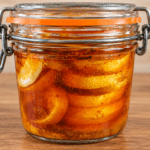
I love Moroccan food, and I love lemons, so Moroccan cured lemons naturally became an essential part of my kitchen.
I first discovered cured lemons through Moroccan cooking. Intensely aromatic, remarkably versatile and surprisingly simple to prepare, they transform ordinary lemons into a vibrant condiment that brings exceptional depth and character to countless dishes.
Moroccan cuisine has a character all its own. Its diverse cooking techniques, distinctive flavour combinations and extraordinary range of spices are just a few of the qualities that make it one of my favourite cuisines.
Growing up with Moroccan food at home certainly shaped my palate. As I grew older and began cooking for myself, however, I came to appreciate just how distinctive this cuisine truly is. My enthusiasm extends beyond heritage: Moroccan cooking continues to fascinate me with its expressive flavours, ingenious techniques and aromatic complexity.
As I explored Moroccan cooking, I quickly discovered two indispensable staples that recur throughout the cuisine: Moroccan oil and Moroccan cured lemons.
At its simplest, Moroccan oil combines vegetable oil with paprika, typically in a 3:1 ratio, sometimes enriched with dried chillies. No single formula defines it, however; cooks can readily adjust the balance to suit personal taste and family tradition. Each kitchen makes it its own.
This richly coloured, aromatic oil adds piquancy, depth and a vivid red hue to Moroccan dishes. A modest spoonful can immediately impart warmth, richness and an unmistakably Moroccan character.
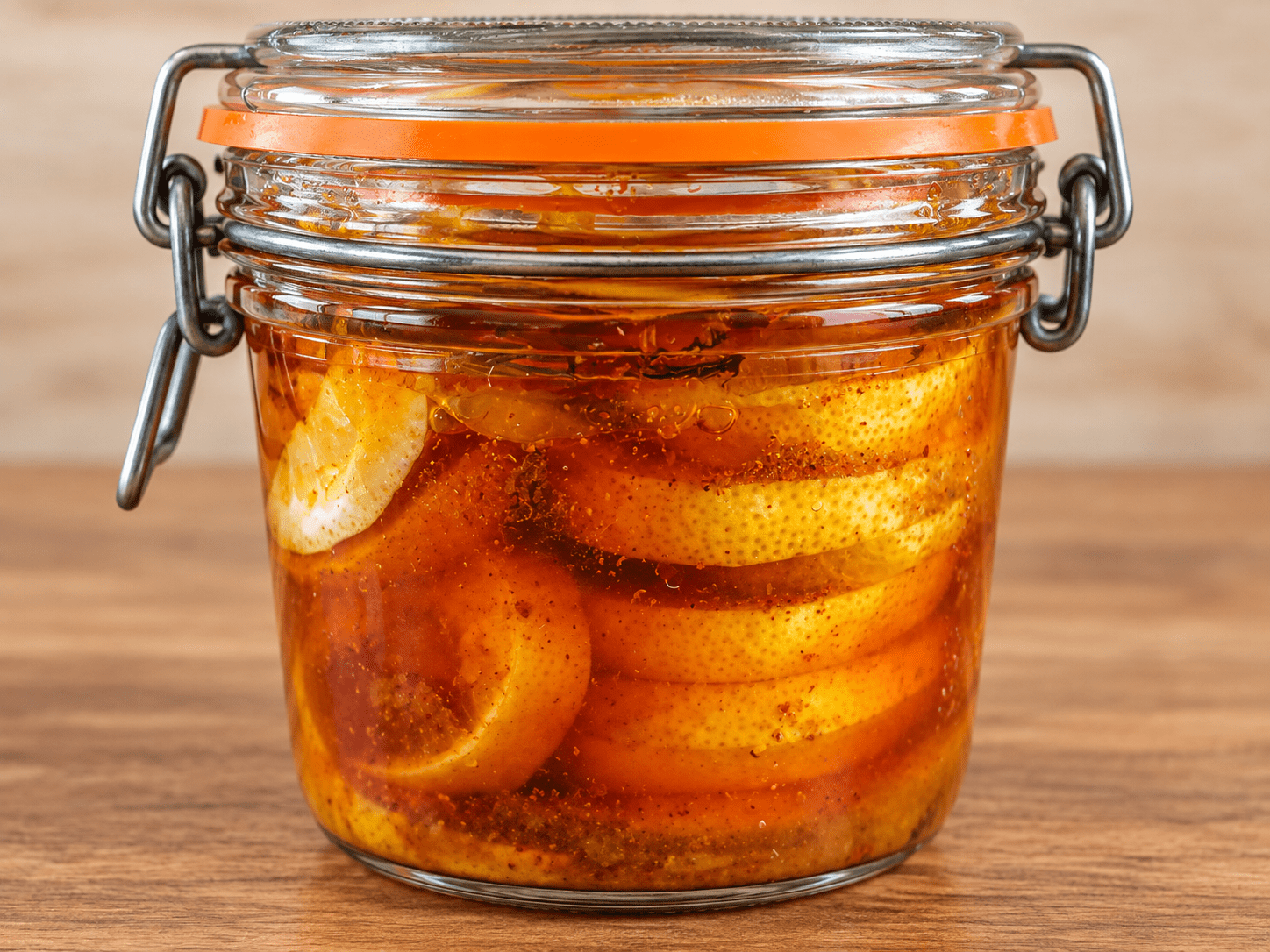
Moroccan cured lemons are something else entirely. Intensely aromatic and brilliantly yellow, these slices can transform almost any dish they touch.
They deliver a deep, concentrated citrus flavour, complemented by subtle smokiness and the gentle earthiness of paprika. Moroccan cooks traditionally add them to fish dishes and tagines, where only a few pieces can dramatically elevate the entire dish.
Their versatility, however, extends far beyond traditional Moroccan cooking.
Finely chop the cured lemon and fold it through couscous or rice, scatter a few pieces over roasted vegetables, or use it to enliven chicken and fish. Dice it into salads, dressings and sauces, or serve it alongside grilled meats. Even a small amount can give beans, lentils or roasted potatoes an unexpected burst of salty, spicy citrus.
Simple to prepare, endlessly versatile and intensely flavourful, Moroccan cured lemons are a must-have staple that I rarely go without.
4 medium lemons
2 tbsp salt
1 tbsp hot or sweet paprika, to taste
½ tsp mustard seeds
¼ tsp dried rosemary
¼ tsp garlic powder
½ cup fresh lemon juice
½ cup olive oil
Sterilise a clean jar by filling it with boiling water. Allow it to cool slightly, then drain it thoroughly and use it immediately.
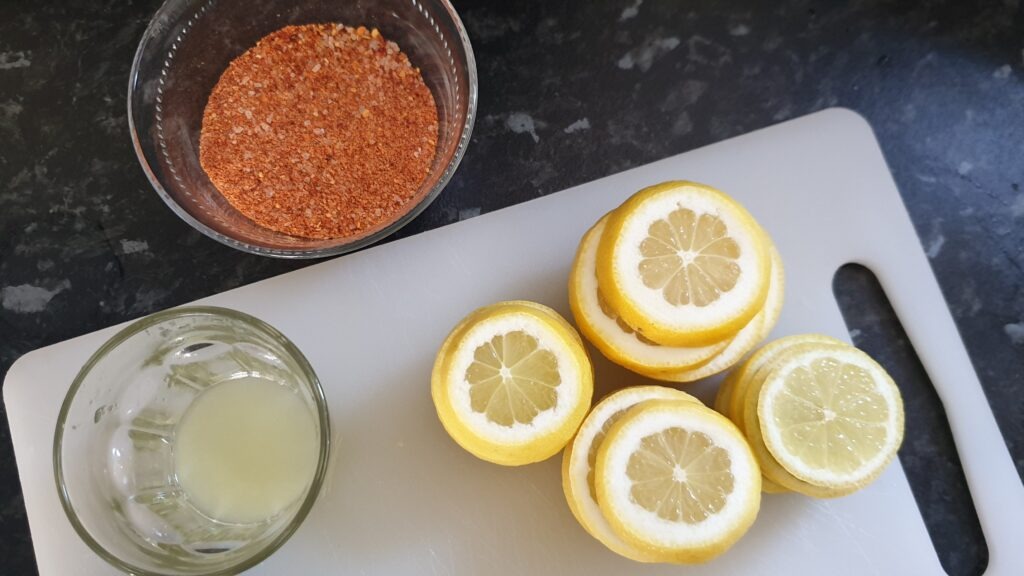
Scrub the lemons thoroughly to remove any residue from the peel. Keep both the lemons and your equipment as clean as possible throughout the curing process.
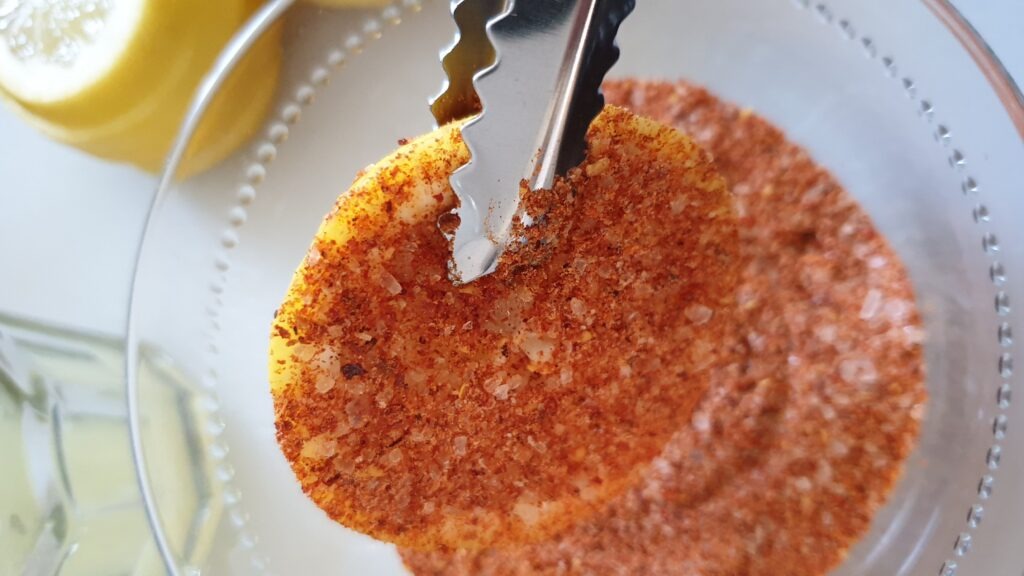
Slice the lemons into approximately ½ cm-thick slices. Avoid touching the cut lemons with your hands where possible; I use a small pair of clean kitchen tongs to handle them and keep the freshly scrubbed lemons as clean as possible.
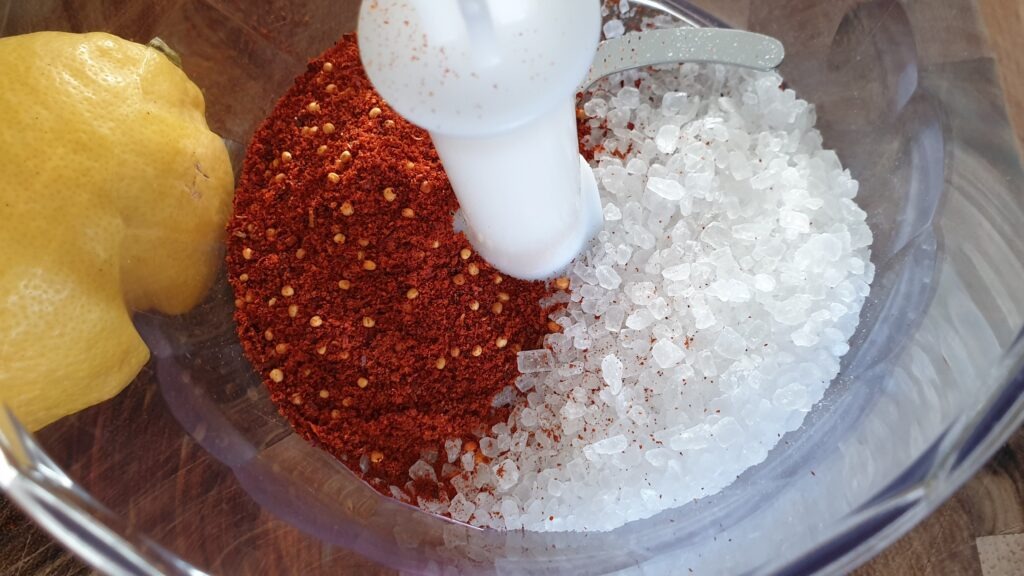
Combine the salt and spices in a separate bowl. Grind them as finely as possible to create a uniform blend that coats the lemons evenly.
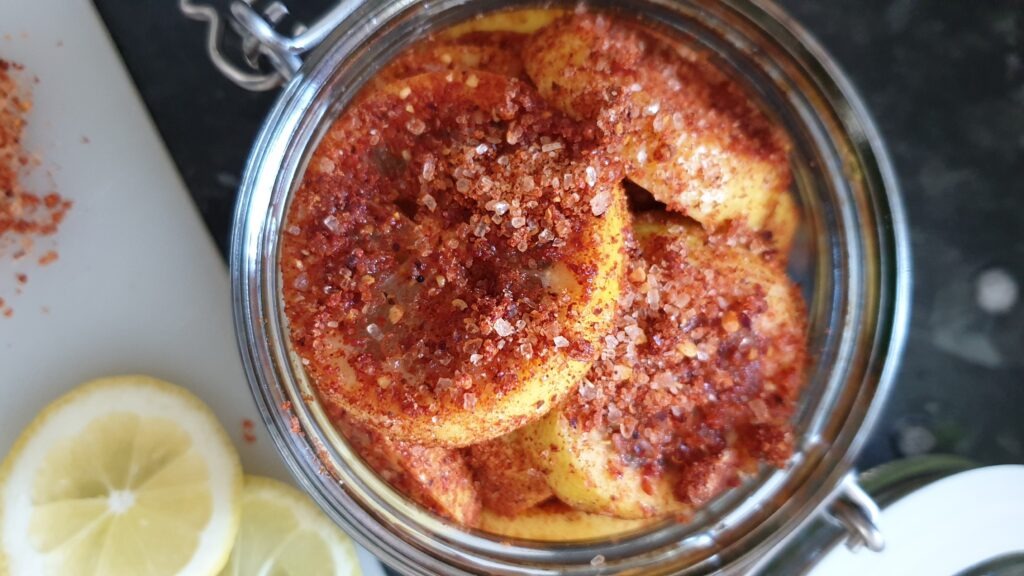
Dip each lemon slice into the spice mixture and coat both sides thoroughly.
Pack the coated lemon slices tightly into the sterilised jar, arranging them in compact layers.
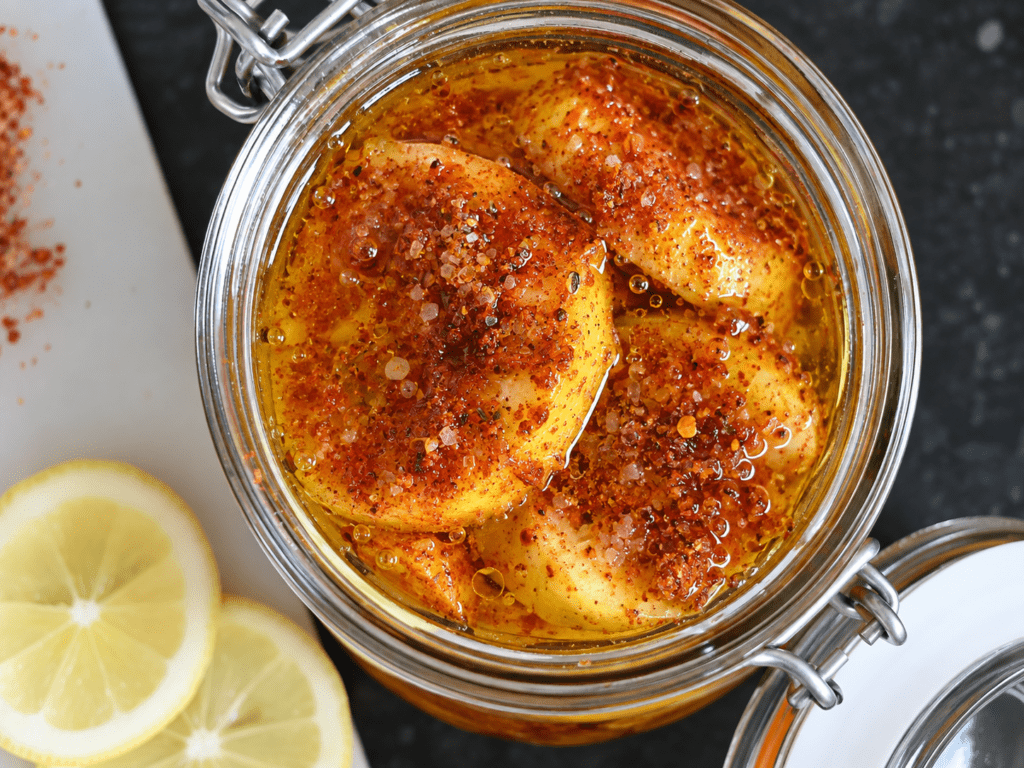
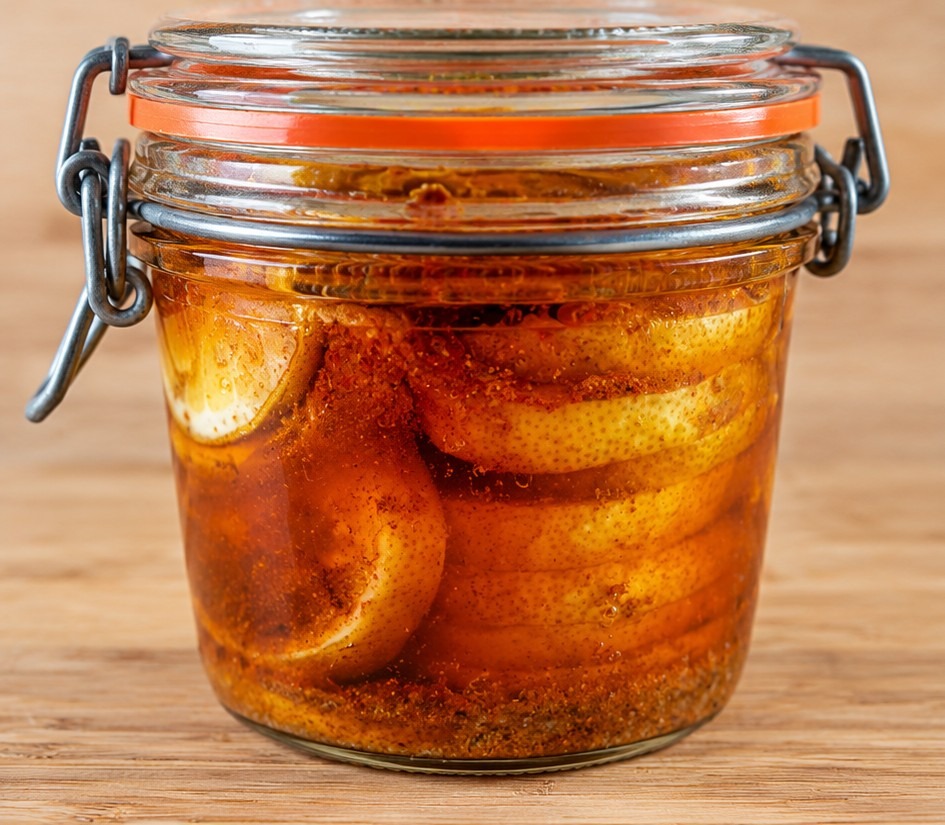
Pour in the fresh lemon juice and olive oil until the lemons are well covered. Leave a little headspace rather than filling the jar to the rim, as the lemons will release additional liquid while they cure.
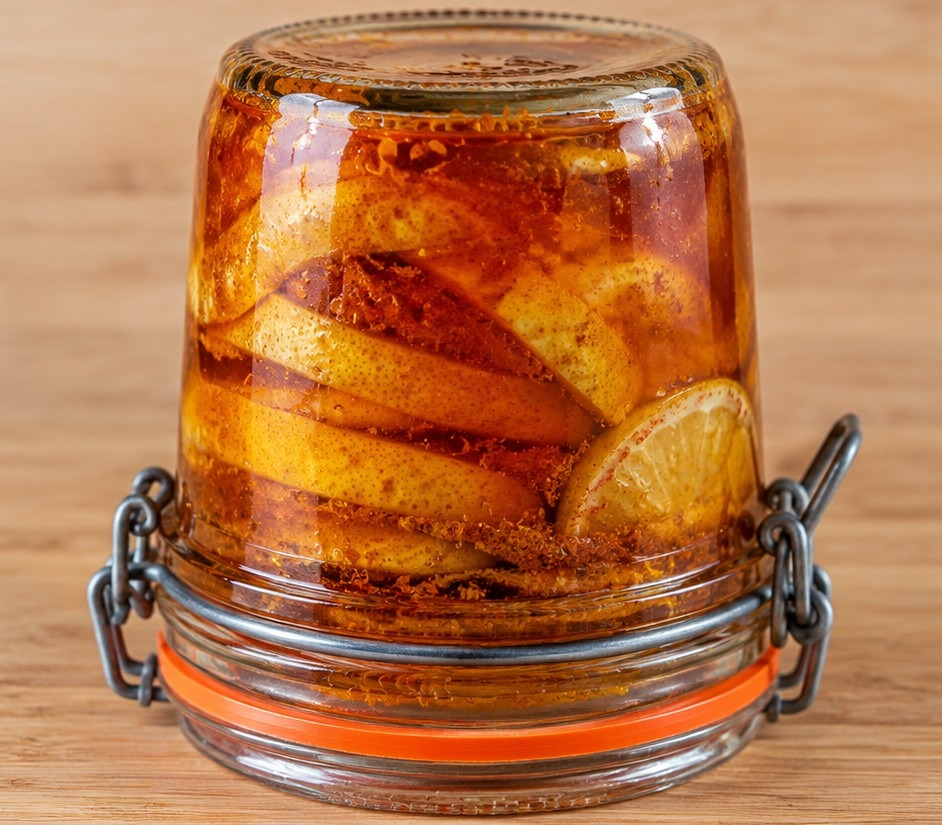
Seal the jar and cure the lemons for at least 5-7 days before eating. Every couple of days, invert the jar to redistribute the liquid and keep every slice evenly coated.
Avoid touching the lemons directly while preparing them or removing a slice from the jar. Use clean kitchen tongs or a fork instead; minimising direct handling helps keep the contents clean and extends their keeping quality.
I use a spice blend called Philadelphia in this recipe. If you have it, use 2 tbsp in place of the individual spices. Otherwise, follow the spice combination listed in the recipe; it works beautifully.
For a simpler variation, use 2 tbsp of either sweet or hot paprika, depending on the level of heat you prefer.
Occasionally shake the sealed jar well and invert it briefly. This redistributes the liquid and keeps the lemon slices evenly coated throughout the curing process.
Enjoy!
Some posts on this site contain affiliate links. If you choose to purchase through these links, I may earn a small commission – so thank you!By using the affiliate links, you are helping support our Website, and we genuinely appreciate your support.I only recommend products I genuinely use, love, and believe will be helpful.