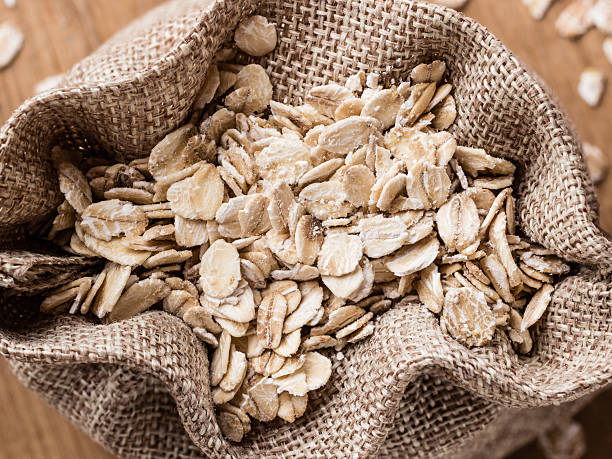
One Humble Grain with Endless Possibilities
Oats are, rather strangely, one of my favourite foods. Though I must admit, I don’t actually like porridge—strange, right?!
What I do love, and what my blog can certainly testify to, are recipes made with oats. From cakes and cookies to breakfast granola, they are an incredibly versatile ingredient and make a wonderful base for so many nutritious recipes.
Beyond their versatility, this whole grain is packed with fibre, vitamins, minerals, antioxidants, and other beneficial nutrients. Whether you’re enjoying them for breakfast, baking them into something delicious, or even using them as part of your skincare routine, oats have far more to offer than a bowl of porridge.
This post is all about oats – well, perhaps not all, but some of the most interesting and useful things I’ve picked up along the way. From their nutritional benefits to the many ways you can use them in the kitchen, I hope you’ll discover just how versatile this humble little grain can be.
What’s So Good About Oats?
Lowers Cholesterol
Rich in a type of soluble fibre called beta-glucan, which can help reduce LDL cholesterol (often referred to as the “bad” cholesterol) and support overall heart health.
Helps Stabilise Blood Sugar
The soluble fibre in oats slows digestion and the absorption of carbohydrates. This can help prevent the rapid spikes in blood sugar that can occur after eating and may contribute to steadier energy levels.
Promotes Fullness and Supports Weight Management
Oats absorb liquid and expand during digestion, helping you feel fuller for longer. Their high fibre content can also support appetite control, making them a satisfying addition to a balanced diet.
Supports Gut Health
Both soluble and insoluble fibre contribute to healthy digestion. Fibre helps keep food moving through the digestive system, supports beneficial gut bacteria, and can help prevent constipation.
Provides Antioxidants
Oats contain unique antioxidants called avenanthramides. These compounds have anti-inflammatory and antioxidant properties and may also contribute to healthy blood vessels and blood pressure.
Rich in Essential Nutrients
Packed with a range of important nutrients, including magnesium, phosphorus, iron, zinc, and B vitamins. They are a good source of plant-based protein compared with many other grains.
What Can Oats Be Used For?
Cooking and Food
Oats aren’t just for porridge. Their mild flavour and satisfying texture make them surprisingly useful in the kitchen, and beyond.
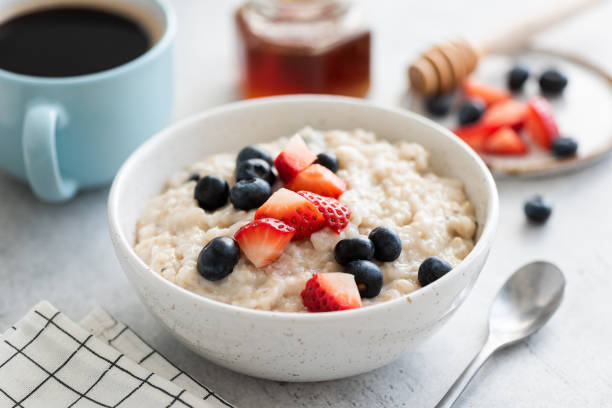
Porridge: Cooked with milk or water, they make a simple, warming breakfast that can be dressed up with fruit, nuts, seeds, spices, or a drizzle of honey.
Overnight Oats: Soaked overnight in a cold liquid such as milk or yoghurt, they soften while you sleep and are ready to enjoy the following morning.
Granola: Combined with nuts, seeds, dried fruit, spices, and a little honey, homemade granola is wonderfully versatile and is a great way to use up leftover nuts, seeds, and dried fruit.
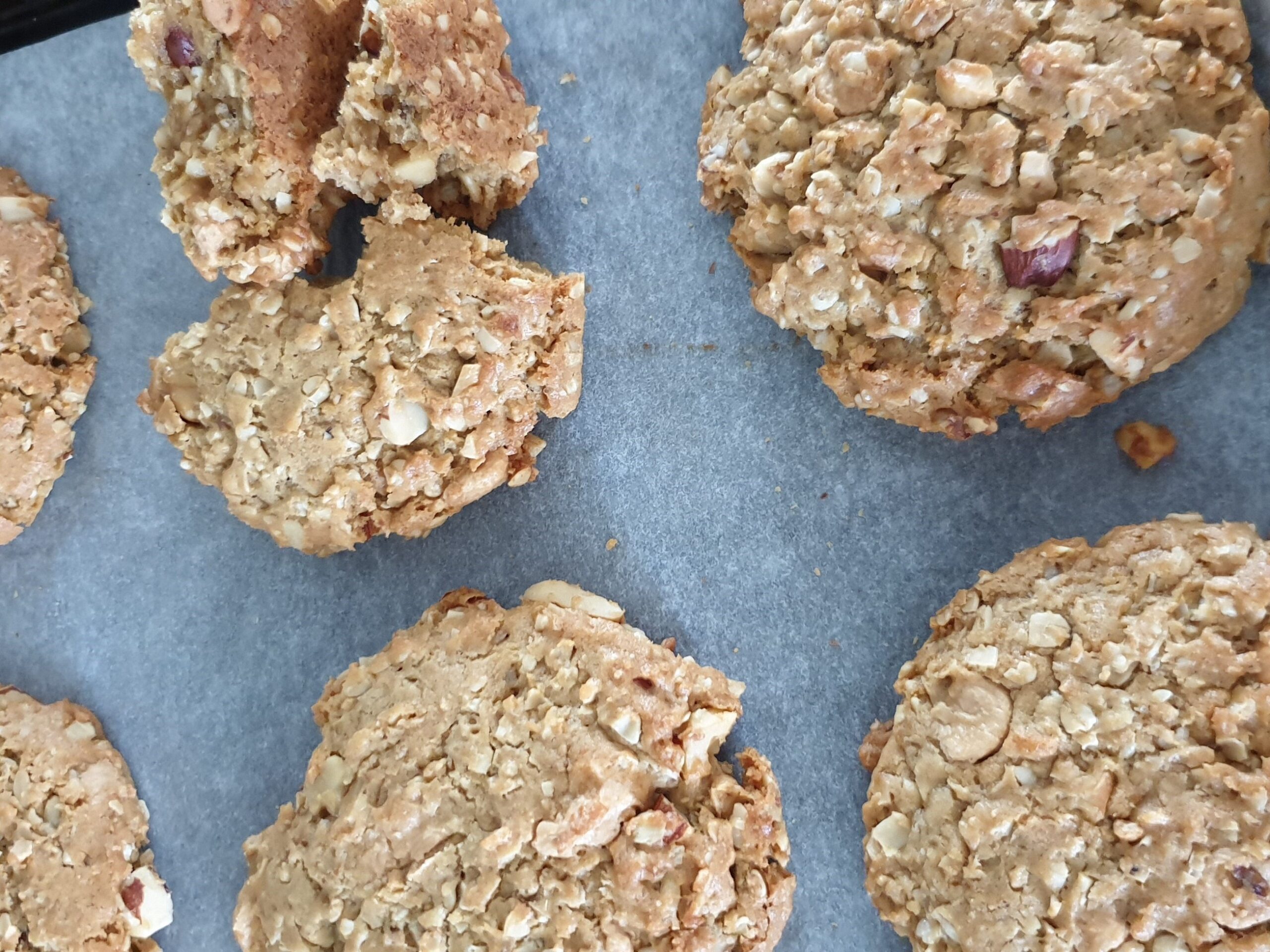
Baking: Oats can be added to cookies, muffins, breads, cakes, flapjacks, and granola bars, providing extra texture, flavour, and fibre.
Cooking: Great alternative or add-on to breadcrumbs in recipes such as meatballs, burgers, stuffing, and crispy coatings. They can add a delicious crunch while also increasing the fibre content of a dish.
Smoothies: A handful of oats blended into a smoothie can create a thicker, creamier texture while adding fibre and making the drink more filling.
Health and Skincare
Soothing the Skin: Finely ground, known as colloidal oatmeal, they can be used in skincare products to help soothe dry, itchy, or irritated skin.
Facial Scrubs: Finely ground oats can be combined with ingredients such as water or honey to create a gentle homemade exfoliant. Their texture can help remove dead skin cells without the harshness of some traditional scrubs.
Agriculture and Industry
Livestock Feed: Grown as a nutritious feed grain, particularly for horses and cattle.
Green Manure and Cover Crops: Planted as a cover crop to help protect and improve soil, suppress weeds, and contribute organic matter when incorporated back into the ground.
Gluten Free Feature
Let’s not forget one of the great advantages of oats in the modern kitchen: they are naturally gluten-free!
Which makes them a fantastic ingredient for anyone looking to create gluten-free recipes, from cakes and cookies to granola and breakfast bowls.
A little note of caution
while oats themselves are naturally gluten-free, they can sometimes become contaminated during growing, harvesting, or processing, as they may come into contact with wheat, barley, or rye.
Bottom Line
So, while you may never find me happily eating a bowl of plain porridge, I have to admit that oats are pretty impressive. They’re nutritious, affordable, versatile, and useful in far more ways than you might expect.
From cookies and cakes to smoothies, skincare, and even the garden, this humble little grain has earned its place as a kitchen staple.
Recomanded Recipes:
Enjoy!
Credits:
Some posts on this site contain affiliate links. If you choose to purchase through these links, I may earn a small commission – so thank you!
By using the affiliate links, you are helping support our Website, and we genuinely appreciate your support.
I only recommend products I genuinely use, love, and believe will be helpful.